Digital vs Offset Printing: What's the Difference, and When Does Each Win?
Digital printing transfers your file directly to the press, no plates, no setup runs, using toner or inkjet technology. Offset printing transfers ink from etched aluminum plates onto a rubber blanket and then onto paper. The practical difference: digital wins on speed, short runs and per-order flexibility; offset wins on unit cost at very high volumes.
Neither is "better printing". They are different economics wrapped around different machinery, and the right choice depends almost entirely on quantity and deadline.
How digital printing works, and why short runs love it
Because there is no plate to make, a digital run of 50 costs a fraction of setting up a press, and the first sheet out is a sellable sheet. Digital also allows variable data, every piece can carry a different name or code, and same-week turnaround as standard. Modern production presses hold colour accurately across the run, which is how we keep a reprint matching the original.
How offset works, and where it still rules
Offset front-loads its cost into plates and press setup, then prints each additional sheet very cheaply. Past roughly the ten-thousand-copy mark, magazines, mass catalogues, packaging runs, that curve beats digital. Offset also supports spot Pantone inks mixed as actual ink, relevant for brands with strict single-colour standards.
Which one for your job?
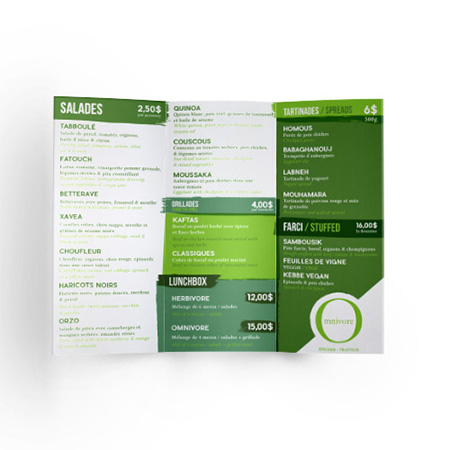
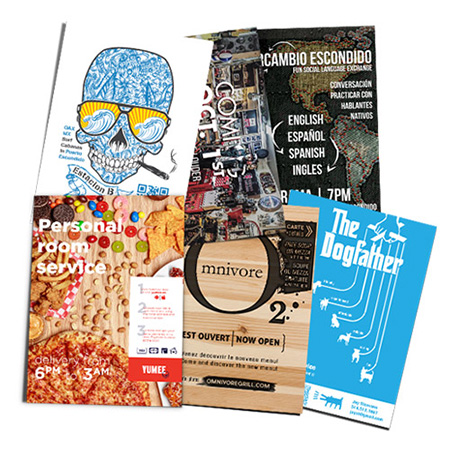
Choose digital for runs in the dozens to low thousands, tight deadlines, versioned or personalised pieces, and print-on-demand reordering, which covers nearly every business card, flyer, poster and brochure job a Montreal business orders. Choose offset when quantity climbs into five figures of identical copies and the schedule allows plate setup. Our shop prints digitally in-house, which is exactly why we can run your job the same week.
Common questions
Is offset quality better than digital?
On modern production equipment the visible gap has essentially closed for everyday commercial work. Offset retains an edge on very large solid areas and exact Pantone spot inks; digital matches it on photos, text and colour consistency at typical sizes.
Why do print shops quote differently for 500 vs 20,000 copies?
Because the economics flip. Digital prices scale almost linearly with quantity, offset front-loads setup and then gets cheap per sheet. At 500 copies digital nearly always wins; at 20,000 the plates pay for themselves.
Can I order a small reprint of an offset-printed piece?
Yes, and it is usually smarter to reprint short top-ups digitally. We match the original as closely as the stocks allow, without paying for plates twice.
Products where this term matters

See also in the dictionary: Paper weight and finishes, Saddle-stitch vs perfect binding · full dictionary
Not sure what your file or paper needs? Choosing is part of the job, we advise at 514.844.0388.
Browse products and order